Why Generic CRMs Fail Fit-Out Contractors
Most CRM systems are built for straightforward sales processes. Lead comes in, you nurture them, they buy, job done. But commercial fit-out work doesn't follow that pattern.
Your enquiries might sit in the pipeline for months whilst clients secure planning permission or finalise budgets. A single project involves architects, quantity surveyors, subcontractors, and facilities managers, all with different priorities and communication styles. Your "sales cycle" includes site visits, detailed specifications, multiple quote revisions, and value engineering sessions.
Generic CRMs treat all this complexity as an afterthought. They'll let you log a contact and set a follow-up reminder, but they won't help you track which specification changes affected your margin, or whether that office refurbishment enquiry from six months ago is finally ready to proceed.
What Fit-Out Contractors Actually Need
The best CRM systems for commercial fit-out work understand your specific challenges. Here's what actually matters:
Project-centric pipeline management that tracks enquiries from initial brief through to practical completion. Not just "lead won" or "lead lost", but the full project lifecycle including variations, retention periods, and defects resolution.
Multi-stakeholder communication tracking that recognises you're not just dealing with one decision-maker. Your system needs to handle the facilities manager who raised the initial enquiry, the finance director who approves the budget, and the operations manager who'll be affected by the works.
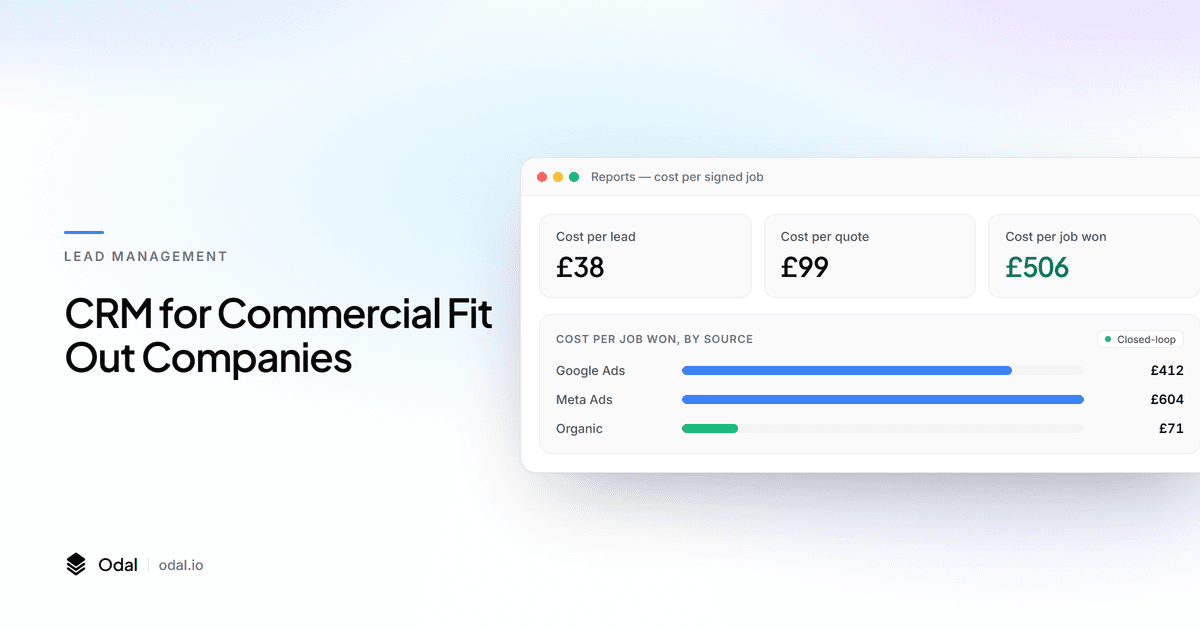
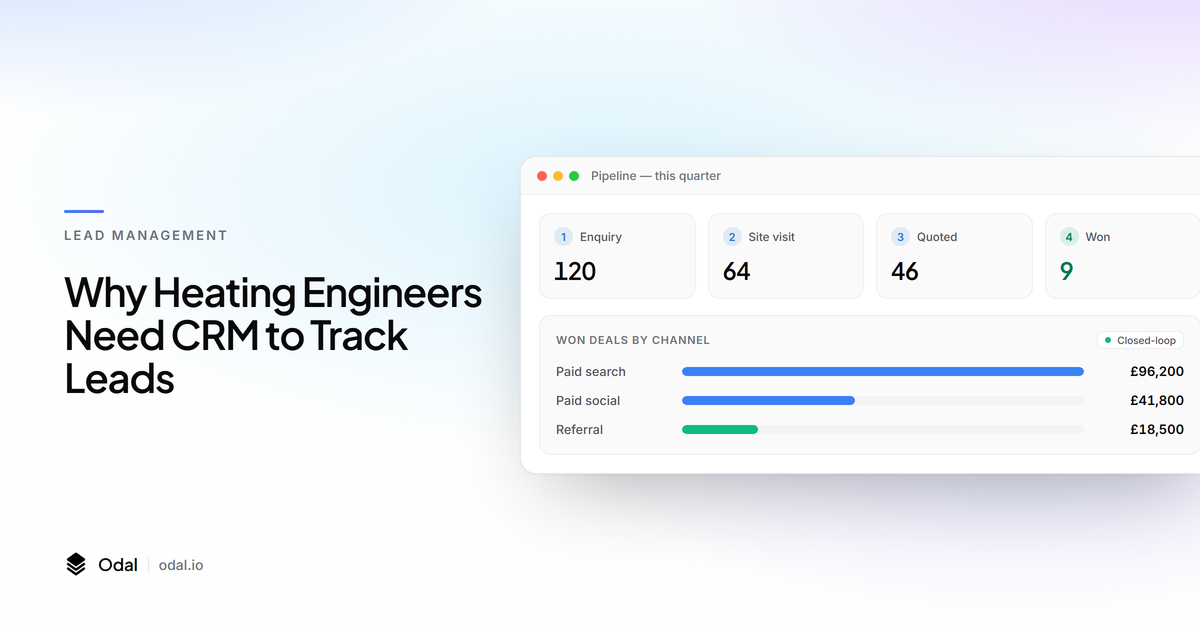
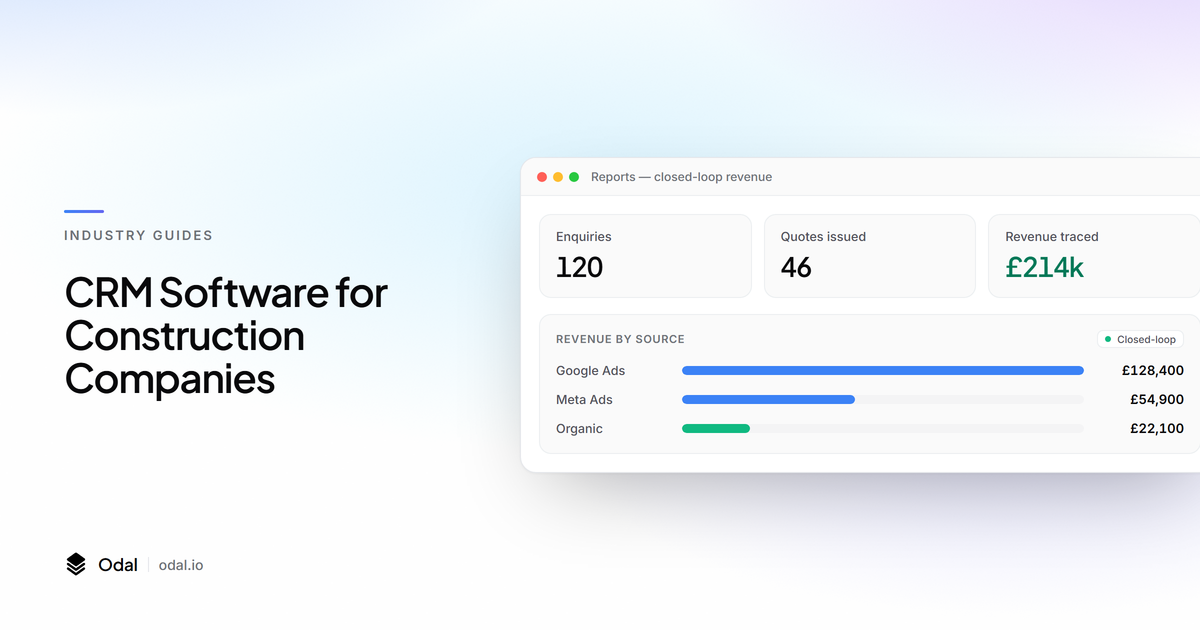
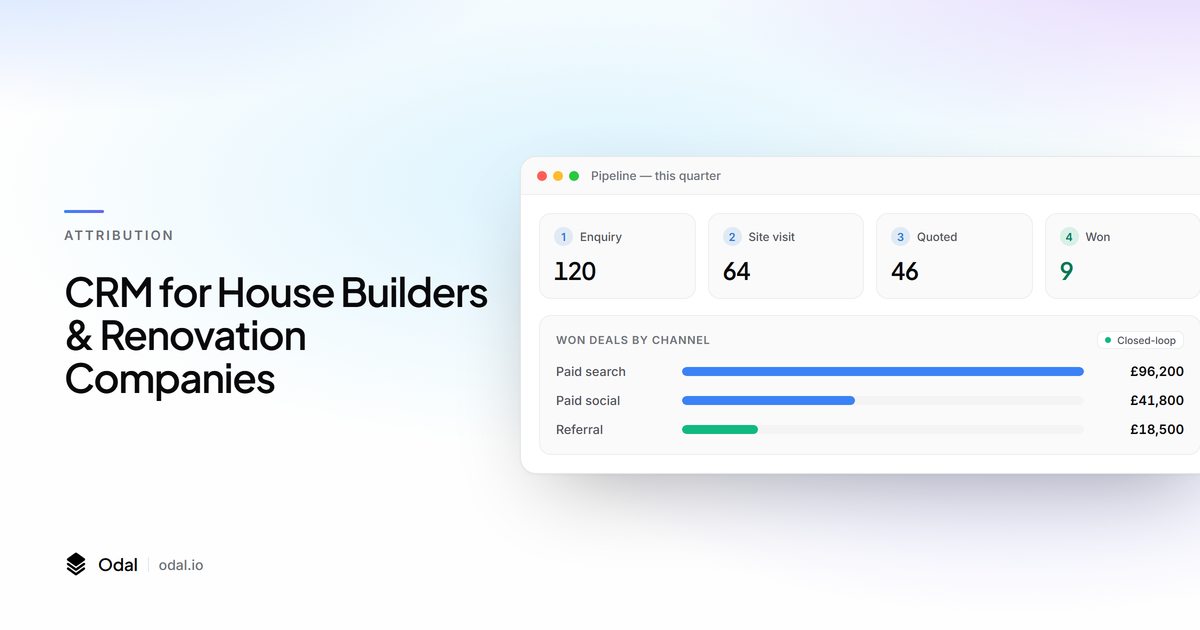
Lead source tracking that connects your marketing activities to actual project outcomes. Understanding which channels produce your most profitable work helps you focus your business development efforts more effectively.
Essential Features for Commercial Fit-Out
Pipeline Visibility
You need to see your entire project pipeline at a glance. Which enquiries are waiting for planning permission? Which quotes are overdue for follow-up? Which projects are ready to start but waiting for materials?
The best systems let you customise pipeline stages to match your actual process. "Initial enquiry", "site visit completed", "quote submitted", "specifications agreed", "contract signed", "works commenced", "practical completion", "retention period", "project closed".
Commercial fit-out projects generate extensive communication records. Client meetings, specification discussions, progress updates, variation requests. Your CRM should be the central repository where everyone can find the current status of any conversation.
More importantly, it should track which stakeholder was involved in each decision. When the client asks why your price has increased, you need to show exactly what's changed since your original submission and who approved those changes.
Lead Source Tracking
Understanding where your best enquiries originate is crucial for business growth. Your CRM should track whether prospects found you through Google searches, trade publications, referrals, or networking events.
This isn't about replacing your marketing activities. It's about giving you clear visibility into which channels produce the most profitable projects, so you can allocate your business development budget more effectively.
Mobile Access
Your team spends most of their time on site, not in the office. They need to update client records, log site visit notes, and access project information whilst they're standing in the space they're about to transform.
Mobile access isn't a nice-to-have feature. It's essential for keeping your data current and your team informed.
ROI from Construction CRM
Construction companies using proper CRM systems typically see significant operational efficiency improvements. That's not marketing fluff, that's the difference between spending your day chasing information and spending it winning new work.
Follow-up consistency improves because the system reminds you when prospects haven't responded. How many potential projects have you lost simply because you forgot to chase a quote that went quiet?
Client satisfaction increases when you can provide immediate answers to their questions. Whether they're asking about project timelines, specification options, or cost implications, having that information readily available makes you look more professional and organised.
Implementation Considerations
Data Migration
If you've been in business for any length of time, you've got client data scattered across various systems. Email contacts, spreadsheet databases, project files, accounting records. The right CRM implementation includes migrating this historical data so you don't lose valuable client relationships.
Team Adoption
The fanciest CRM system is worthless if your team won't use it. Look for systems with intuitive interfaces that don't require extensive training. Your estimators and project managers are busy people. They need tools that make their jobs easier, not more complicated.
Customisation
Every fit-out business operates slightly differently. Your CRM should adapt to your processes, not force you to change how you work. Look for systems that offer customisation without requiring technical expertise.
Integration with Marketing
Most construction CRMs fall short here. They'll manage your existing clients brilliantly, but they don't connect to your marketing activities. You're spending money on Google Ads, trade publication advertising, or networking events, but you can't track which activities actually generate profitable work.
The most successful fit-out contractors we work with have closed this loop. They know which marketing channels produce the best enquiries, which types of projects are most profitable, and which clients are worth the most attention.
This isn't about becoming a marketing expert. It's about making sure your business development budget is working as hard as your project teams.
Choosing the Right System
The CRM market for construction companies ranges from basic contact management tools to comprehensive business management platforms. Pricing typically runs from £15-25 per user per month for systems with the features you actually need.
Don't be tempted by the cheapest option if it can't handle your specific requirements. Equally, don't pay for enterprise features you'll never use. Focus on systems that understand commercial fit-out work and can grow with your business.
Look for providers who can demonstrate their system using examples from your industry. If they're showing you generic sales scenarios, they probably don't understand your business well enough to support it properly.
For larger commercial projects, understanding the Government Hubs Fit Out Framework can help you navigate public sector opportunities that require specific compliance and reporting standards.
Ready to see how proper CRM implementation could transform your fit-out business? Start your free trial with Odal and discover what happens when your marketing spend connects directly to your project pipeline.
Frequently Asked Questions
How long does it take to implement a CRM system for a fit-out business?
Implementation typically takes 2-4 weeks for a mid-sized fit-out contractor. This includes data migration from existing systems, customisation to match your processes, and team training. The key is starting with your most critical processes first, then expanding functionality as your team becomes comfortable with the system.
What happens to our existing client data during migration?
Professional CRM implementations include comprehensive data migration services. Your existing client contacts, project histories, and communication logs can typically be imported from spreadsheets, email systems, and other databases. The key is cleaning and organising this data before migration to ensure accuracy in your new system.
How do we ensure our team actually uses the new CRM system?
User adoption is critical for CRM success. Choose systems with intuitive interfaces that don't require extensive training. Start by implementing the features that solve your team's biggest daily frustrations, then gradually expand functionality. Make sure the system makes their jobs easier, not more complicated.
Can we track which marketing activities generate the best projects?
Advanced CRM systems can connect your marketing spend to actual signed contracts. This means tracking enquiries from their source (Google Ads, trade shows, referrals) through to project completion and profitability. This visibility helps you focus your business development budget on the activities that actually generate profitable work.
What's the typical return on investment for construction CRM systems?
Most fit-out contractors see significant operational efficiency improvements within six months of implementation. This comes from reduced quote preparation time, better follow-up consistency, and improved project visibility. The system typically pays for itself through improved win rates and reduced administrative overhead.